

We are now expanding into B2C, publishing player-facing casino reviews and category pages for players across international markets.
The two sides feed each other. We know exactly how these bonus terms are drafted before they are published on the bonus page. We know why a withdrawal request which should take ‘1–3 days’ to process can remain in the ‘manual review’ stage for a whole week. We are aware of what goes on behind the scenes when you receive a KYC alert.
That is why, when we review a casino, we don’t just look at its homepage. We also scrutinise the small print. We read through the entire terms and conditions and the cashier section, as we know the summary rarely tells the whole story.
On every page, you will notice we hold ourselves to the same standard. We answer your questions directly. We state findings, not opinions. And we don’t sugarcoat anything just to make a casino look good. We call out limitations that could catch you off guard.
Whichever side of the industry you are on, we hold every page to the same standard and we don't sugarcoat anything to make a casino or a programme look better than it is.
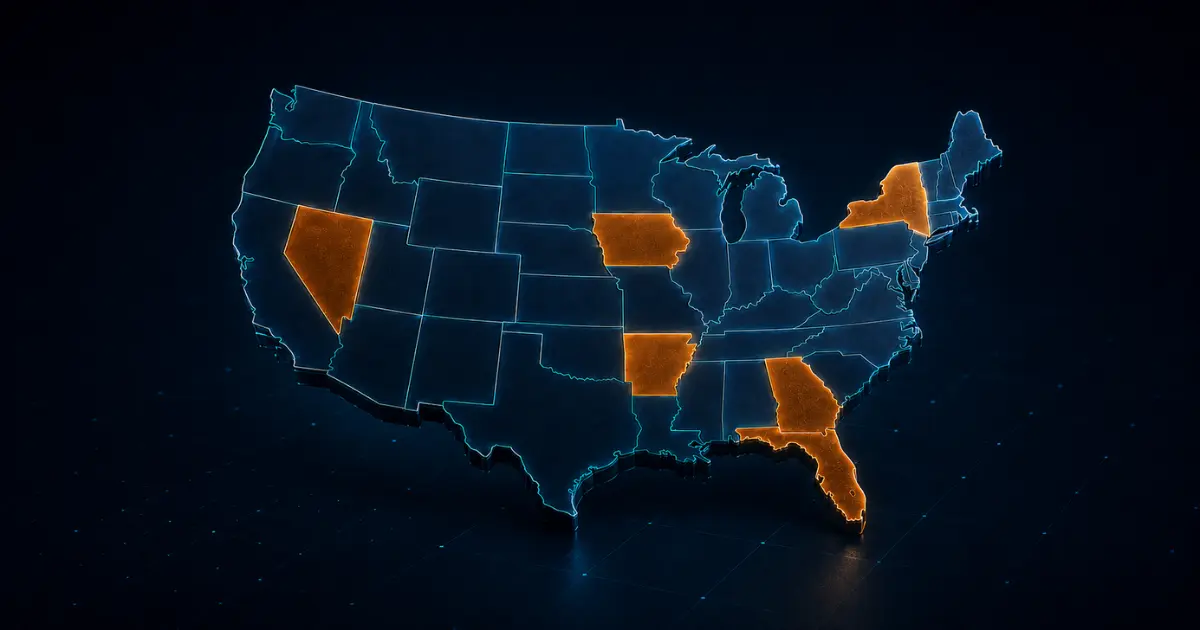
Sweepstakes casinos have spread throughout the United States, even in states that lack legal online casino markets. These businesses are able to offer casino-esque games because of their two-currency systems, without having an actual gambling license. However, that designation is coming under increased examination from lawmakers, regulators, licensed operators, and tribal gaming groups, resulting in a state-by-state patchwork market.
Why Sweepstakes Casinos Expanded So Quickly
Sweepstakes casinos benefited from mobile access, casino-style game libraries, and the absence of regulated iGaming in most states. Their dual-currency structure also allowed operators to reach markets that conventional online casinos could not enter without a state gambling license.
Distribution through websites, mobile devices, and social platforms helped the model move beyond a narrow promotional category. Gamification has also helped sweepstakes sites attract younger adult audiences familiar with virtual currencies, daily rewards, and progression systems.
The resulting scale made the sector more commercially and politically significant. States began examining its effects on consumer protection, gaming revenue, tribal rights, and competition with licensed operators.
How the Sweepstakes Casino Model Works and Why States Question It
Many operators run sweepstakes casinos using two distinct currencies. One currency is virtual, used for gaming purposes only, and has no monetary value. The other currency can be exchanged for prizes after predetermined requirements are met.
Free-play options allow games to tout “no purchase necessary” claims. Taking away the entry cost is part of what separates a legitimate sweepstakes from a lottery (which consists of prize, chance, and consideration). The US Postal Inspection Service’s consumer guide explains this basic distinction.
However, a free-entry route does not automatically settle the classification of every casino-style product. Authorities may also consider purchasable coin packages, redemption conditions, repeated gameplay, and how closely the two currencies are connected. The outcome can depend on state law and the design of the individual platform.
Why State Scrutiny Is Increasing
The pushback reflects several overlapping concerns rather than one nationwide policy. States have taken different positions based on their gambling laws, regulatory priorities, and existing gaming markets.
Consumer Protection and Regulatory Oversight
Critics question whether sweepstakes casino customers receive protections comparable to those required in regulated gambling markets. Recurring concerns include the following:
- Age and identity verification
- Self-exclusion and responsible gambling controls
- Independent game testing
- Advertising standards
- Clear redemption conditions
- Delayed prize payments and dispute resolution
For example, the New York attorney general identified 26 platforms offering casino games or sports betting through redeemable virtual coins in 2025. The office argued that the platforms were not subject to the state audits and oversight applied to licensed gambling. All 26 platforms subsequently agreed to end Sweeps Coin sales in New York.
Taxes and Competition With Licensed Operators
Licensed operators must go through regulators, adhere to technical standards/consumer- protections, and pay taxes on gaming. Critics of sweepstakes casinos say that these companies can offer slot and table games that closely resemble theirs without having to meet those obligations.
Operators argue otherwise. They maintain that their games fall into a unique promotional/social gaming category that's different from traditional, real-money casinos. So the debate is about more than taxes. It's about whether these two business models offer markedly different products or the same games but compete for customers under different rules.
Tribal Gaming Interests
In California, tribal gaming interests have played an especially strong role, as gaming compacts and state law have long provided tribes with an entrenched position in the state’s casino industry.
Large tribal gaming organizations advocated for limitations on online sweepstakes casinos, saying these products operated outside the state’s authorized gambling system. However, tribal positions on this issue were not universal. Some smaller tribes argued against an outright ban and characterized digital social games as a potential economic opportunity.
This disagreement formed part of the debate surrounding California’s AB 831, which became law in 2025 and expressly addressed online casino-style sweepstakes.
State Pushback Does Not Always Mean a New Ban
Operators adding states to their block lists does not necessarily indicate that state just passed a ban on online casino-style sweepstakes. Generally, there are three categories of state action. However, they should be considered separately.
Purpose-Built State Legislation
Several states have passed bills that solely addressed online casino-style internet sweepstakes. California’s AB 831 became 2025 Statutes Chapter 623. New York’s bill became Chapter 605.
New York’s bill is notable because it extends to much of the supply chain. It prohibits operating and advertising these games and receiving support from payment processors, gaming suppliers, software providers, and media affiliates. The enacted New York legislation therefore goes beyond action against casino operators alone.
Enforcement Under Existing Gambling Laws
State regulators and attorneys general don’t need purpose-built legislation to take action. They can send cease-and-desist letters or launch enforcement actions under existing gambling laws.
Take Louisiana as an example. Governor Jeff Landry vetoed SB 181 in June 2025 because, according to his official veto message, the activities it targeted were already prohibited and the Louisiana Gaming Control Board possessed enforcement authority.
That same month, the regulator announced that it had issued more than 40 cease-and-desist letters to offshore wagering platforms and online sweepstakes operators. A vetoed prohibition therefore did not leave the market unrestricted.
Operator Withdrawals and Product Changes
Operators may exit a state or drop cashable tickets or only offer free-to-play games due to legal ambiguity. These are business decisions around commercial risk, not evidence that the state passed a specific law.
Content about affiliates should also make clear the difference between a statutory ban, a regulator's reading of the law, and an operator's own self-exclusion policy. Each can cause an offer to be unavailable to players, but they are not the same thing legally.
How the Sweepstakes Casino Industry Is Responding
The online gambling industry has responded through lobbying, legal challenges, and product changes. Some operators have removed redeemable currencies from contested markets while continuing to provide free-play products.
Industry groups are also proposing regulation and taxation as alternatives to prohibition. The Social Gaming Leadership Alliance supports adult-only access, identity verification, responsible-play tools, and state taxation frameworks. Its public position on regulation represents the industry’s argument and should be understood as such rather than as an independent legal assessment.
This debate is likely to continue as states consider whether existing gambling laws are sufficient or a separate framework is needed.
What State Restrictions Mean for Affiliates
Changing state eligibility can make a review, bonus description, or availability claim inaccurate shortly after publication. Gambling affiliates should:
- Distinguish operator exclusions from legal prohibitions
- Add a visible review or update date to availability information
- Use state-specific disclosures where the position is uncertain
- Review geo-targeting for restricted jurisdictions
- Check how affiliate agreements allocate responsibility for restricted traffic
Affiliates May Face Direct Legal Exposure
Operators are not the only ones who could face state action. For example, New York’s statute specifically names media affiliates as among the entities prohibited from “aiding and abetting” online sweepstakes games through knowing promotion.
This doesn’t open the door to holding any affiliate accountable any time it runs sweepstakes content. Actual liability would depend on the language of the law, as well as the nature of the affiliate’s conduct. But it does mean that affiliates should not count on immunity just because some states are only ‘going after’ the gambling operation itself.
Avoid Categorical Legality Claims
Statements such as “sweepstakes casinos are legal because no purchase is necessary” are too broad. A free-entry method may be relevant, but authorities can examine the full relationship between purchases, virtual currencies, gameplay, and prize redemption.
Content should clearly state that treatment varies by jurisdiction and product design. Gaffg’s earlier examination of sweepstakes casino technology and regulation provides additional background on how the sector is changing.
What Comes Next for Sweepstakes Casinos?
Expect more of the same for a while. There will probably not be a nationwide solution implemented in the short-term. It’s likely we’ll continue to see a state-by-state patchwork of solutions that involve dedicated prohibitions in some states, declarations of existing enforcement powers in others, and continued allowances through regulated alternatives promoted by industry groups.
Operators and affiliates should monitor both closely. When discussing the legality of sweepstakes casinos, it’s important to consider what both the law/regulators say and where operators continue to allow players to go. Answers that assume either of these factors are set in stone can become obsolete quickly.
Sweepstakes Casino FAQs
Why Are States Taking Action Against Sweepstakes Casinos?
Consumer protection issues, regulation/taxes, and both tribal gaming interests and competition with existing licensed casinos. The increased proliferation of these "casinos," as well as their likeness to products sold at casinos, has increased focus on their legal definitions.
Are Sweepstakes Casinos Illegal in the US?
Technically…it depends on the state. Many have taken different stances, and it can depend on that state’s individual laws, gambling regulations/enforcement interpretation, and how close the product ties prizes to purchases/virtual currency.
Does “No Purchase Necessary” Make a Sweepstakes Casino Legal?
No guarantee. Providing a free-entry option may impact analysis of whether legal consideration exists, but enforcement agencies can review the overall product offering, including purchase of coins, play mechanics, currency availability, and prize-redemption policies.
Can State Restrictions Affect Sweepstakes Casino Affiliates?
Absolutely. Affiliate websites may have to take illegal offers down, change state-specific language, and disable geo-targeting for affected states. The sweepstakes laws of some states, such as New York’s recently enacted law, expressly apply to media affiliates who willingly promote illegal products.