
Bingo Affiliate Programs
We are now expanding into B2C, publishing player-facing casino reviews and category pages for players across international markets.
The two sides feed each other. We know exactly how these bonus terms are drafted before they are published on the bonus page. We know why a withdrawal request which should take ‘1–3 days’ to process can remain in the ‘manual review’ stage for a whole week. We are aware of what goes on behind the scenes when you receive a KYC alert.
That is why, when we review a casino, we don’t just look at its homepage. We also scrutinise the small print. We read through the entire terms and conditions and the cashier section, as we know the summary rarely tells the whole story.
On every page, you will notice we hold ourselves to the same standard. We answer your questions directly. We state findings, not opinions. And we don’t sugarcoat anything just to make a casino look good. We call out limitations that could catch you off guard.
Whichever side of the industry you are on, we hold every page to the same standard and we don't sugarcoat anything to make a casino or a programme look better than it is.
Bingo affiliate programs let publishers earn commission by referring players to online bingo rooms. When someone signs up or deposits through your link, the operator shares a percentage of that player's revenue or pays a flat referral fee. Because earnings depend on how well your traffic converts and how fair the terms are, comparing programs before you commit matters.
On this page, we cover independently reviewed bingo affiliate programs for publishers looking to earn money by sending traffic to bingo rooms. The list below allows our readers to compare different commission models, brands, and software. Our team has evaluated each affiliate program by evaluating real terms, such as payment reliability, tracking, fees, data access, and carryover clauses, not the operator’s marketing claims.
Use the list below to compare expert-vetted online bingo affiliate programs and read on to learn how they work.
150 Results with this criteria




Brands for this program:









Is Bingo Still Worth It for Affiliates?
Despite recording positive growth, bingo has plateaued in some large iGaming markets and is a generally smaller, more niche affiliate vertical than casino and sports betting. Fortunately, for publishers looking to promote online bingo rooms, this category is not saturated. Determined marketers can earn money by referring players to bingo websites by sharing unique referral links. They can use banners, videos on YouTube, popular social media sites, and other channels for their SEO content.
As explained below, the bingo vertical differs from casino and sportsbook affiliate programs in terms of where it converts geographically and the economics.
Where Bingo Converts
While the casino affiliate vertical can easily convert and generate sales almost anywhere in the world, it is important to understand that bingo demand is highly dependent on geographic location. Bingo sites and businesses historically convert in English-speaking countries. Moreover, bingo rooms are gaining popularity among players in growing markets, creating new opportunities for affiliates.
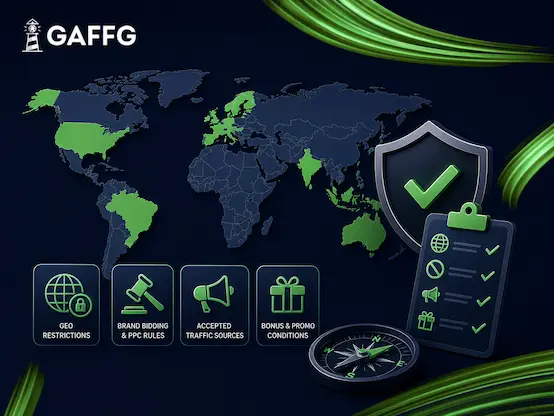
Earnings for most bingo affiliates largely depend on which GEO the traffic comes from. Therefore, a publisher’s foremost consideration before checking the commission rate should be market fit. A marketer needs to target audiences in markets where bingo is popular and legal to promote.
Bingo vs Casino Economics
Cost Per Acquisition (CPA) rates in the bingo vertical differ from those affiliates get when promoting slots and other online casino games. Bingo CPAs are generally smaller than casino CPAs. Player lifetime value is also low in bingo, which means that affiliates earn less. However, competition is low, and ranking is easier to achieve. Bingo players also tend to remain active and loyal for a long time, favoring affiliates who want to earn through revenue share.
Another notable economic aspect is that most bingo players engage in cross-promotion by playing slots, scratchcards, and other casino games, boosting their lifetime value. Overall, bingo affiliate programs suit marketers who prefer lower-competition verticals and long-tail revenue share over one-time CPA rates.
How Bingo Affiliate Commissions Work
Most online bingo affiliate programs typically use the three most common commission models used in online casinos today. However, the applicable terms and conditions, figures, and payout percentages are different. This section of our guide explains how each payout model works and the most suitable option depending on an affiliate’s unique situation. The right model matches one’s traffic quality and cash flow needs.
Revenue Share (RevShare)
Bingo revenue share commissions can be more profitable than CPA because they provide affiliates with a recurring income stream. In affiliate programs with the revenue share model, marketers receive an ongoing percentage of the net gaming revenue (NGR) an operator generates from referred bingo players. Additionally, bingo affiliates are paid monthly if their referrals keep playing.
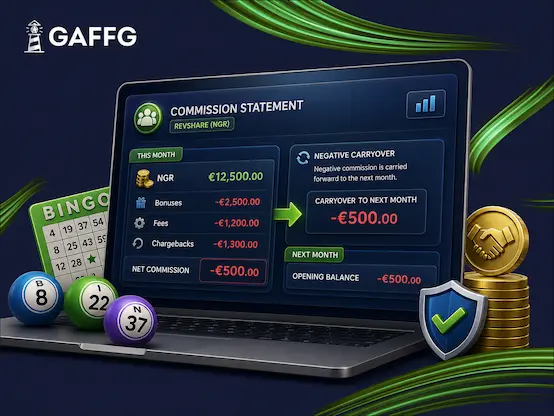
Revenue share commission rates vary from one bingo affiliate program to another and are typically tiered by volume. This model suits affiliates with consistent, high-quality bingo traffic and those who are willing to wait for their income to compound over time. However, deductions from the NGR and negative carryover can reduce revenue share.
Cost Per Acquisition (CPA)
Online bingo affiliate programs that use the CPA model pay affiliates a one-off payment per qualifying player. For example, an affiliate can earn a fixed amount between €50 and €100 CPA if a referred player joins a bingo site and deposits money for the first time. Usually, the player must meet minimum deposit thresholds to qualify.
While bingo CPAs are generally smaller than casino CPAs and vary greatly by geographic location, affiliates can negotiate better deals based on volume. This commission structure is best suited for marketers who want predictable, upfront payouts. It also suits affiliates with high-volume traffic where the long-term value is uncertain and those testing new markets. The downside is that CPA models completely cap an affiliate’s earnings on high-value bingo players.
Hybrid & Sub-Affiliate
A hybrid commission model blends two or more payment structures, especially CPA and revenue share, each with smaller payout amounts than standalone models. With such a combination, bingo affiliates receive a fixed upfront amount plus a percentage of the net gaming revenue generated by referred players. This setup is preferred by experienced affiliates who want to avoid the risks of choosing one model. Affiliates with quality traffic can request better compensation by contacting their affiliate manager.
Some programs also offer sub-affiliate commissions, giving affiliates a small percentage of revenue from other referred affiliates. The reward is usually a small, single-digit amount that can benefit affiliates with audiences or communities in the industry.
How to Evaluate a Bingo Affiliate Program
An operator’s headline commission rate does not say much about the reliability and reputation of gambling affiliate programs, including bingo. The benefits affiliates can derive from a program depend on the underlying terms and infrastructure. Below, we present a well-structured checklist that every affiliate can use to choose the right bingo affiliate program before signing up.
Commission Terms & Negative Carryover

Payments, Thresholds & Fees

Tracking, Reporting & Data Access
Marketing Restrictions & Allowed Markets
Turning Bingo Traffic into Revenue
Affiliates must understand the audience and use the niche’s unique features to their advantage. To convert bingo traffic to revenue, you must consider player characteristics, cross-selling opportunities, and the most suitable channels.
Know Your Audience
The content used to promote online bingo sites should be based on the player’s unique profile. Participation and preferences in bingo games vary significantly by gender, and these games generally appeal to loyal, community-minded players who often play on mobile devices. This group consists of individuals seeking a social experience rather than big wins.
Affiliates can appeal to this market by using a welcoming tone and images. Their marketing strategy should incorporate mobile-optimized pages, messages that reinforce community, online chats, and an exciting, low-stakes gaming experience. Matching your website’s tone with user experience to how bingo players behave can help boost conversion.
Cross-Selling Casino & Slots
Most bingo players also enjoy playing slots and other online casino games, creating an opportunity for affiliates to increase their revenue. A bingo affiliate’s revenue share can compound when referred players play other games in the operator’s lobby.
Marketers who want to boost their affiliate income through cross-selling and close the earnings gap between bingo and casino should prioritize operators with a broad selection of popular slots and other games. Avoid affiliate programs that only pay commissions on bingo traffic when there are other games to promote.
Channels that Work for Bingo
Since bingo is a less competitive vertical than casino, affiliates can use high-ranking, targeted SEO content to drive organic traffic to operators. Moreover, because bingo is social in nature, online communities, groups, and social sites are effective marketing channels.
Email marketing is another option for targeting bingo players who are often loyal. Affiliates can create their own email lists to protect themselves from algorithm swings and increase their chances of winning repeat players. While diversification can work, owning an audience channel, such as an email list, eliminates dependence on search results or social platforms.
Red Flags to Watch For
Look for these warning signs before selecting a bingo affiliate program to join:
- Negative carryover with no reset
- Unclear NGR calculations with hidden deductions
- High payout thresholds combined with delayed payments
- Ineffective or non-transparent reporting
- Clauses that allow operators to review and cut commission rates unilaterally
- Rules that let operators take money left in inactive accounts
- Hidden terms that restrict traffic from valuable sources
- An affiliate management team that does not respond as expected
Remember to check these when comparing bingo affiliate programs.
Summing Up Online Bingo Affiliate Programs
Compared to the casino market, bingo is a smaller vertical characterized by low competition in the iGaming industry. For publishers using affiliate programs to promote bingo sites, this niche tends to convert in specific geographic locations. Affiliates looking for the best rewards should choose the right audience, examine the T&Cs, monetize through loyalty, and leverage cross-selling opportunities instead of focusing on one-off CPA payments. The most suitable bingo affiliate program matches the publisher’s cash flow goals and target market.
Use our listing above to compare bingo affiliate programs based on the criteria covered in this guide. Gaffg only lists independently vetted programs and helps you connect with affiliate managers who already know how these programs work.